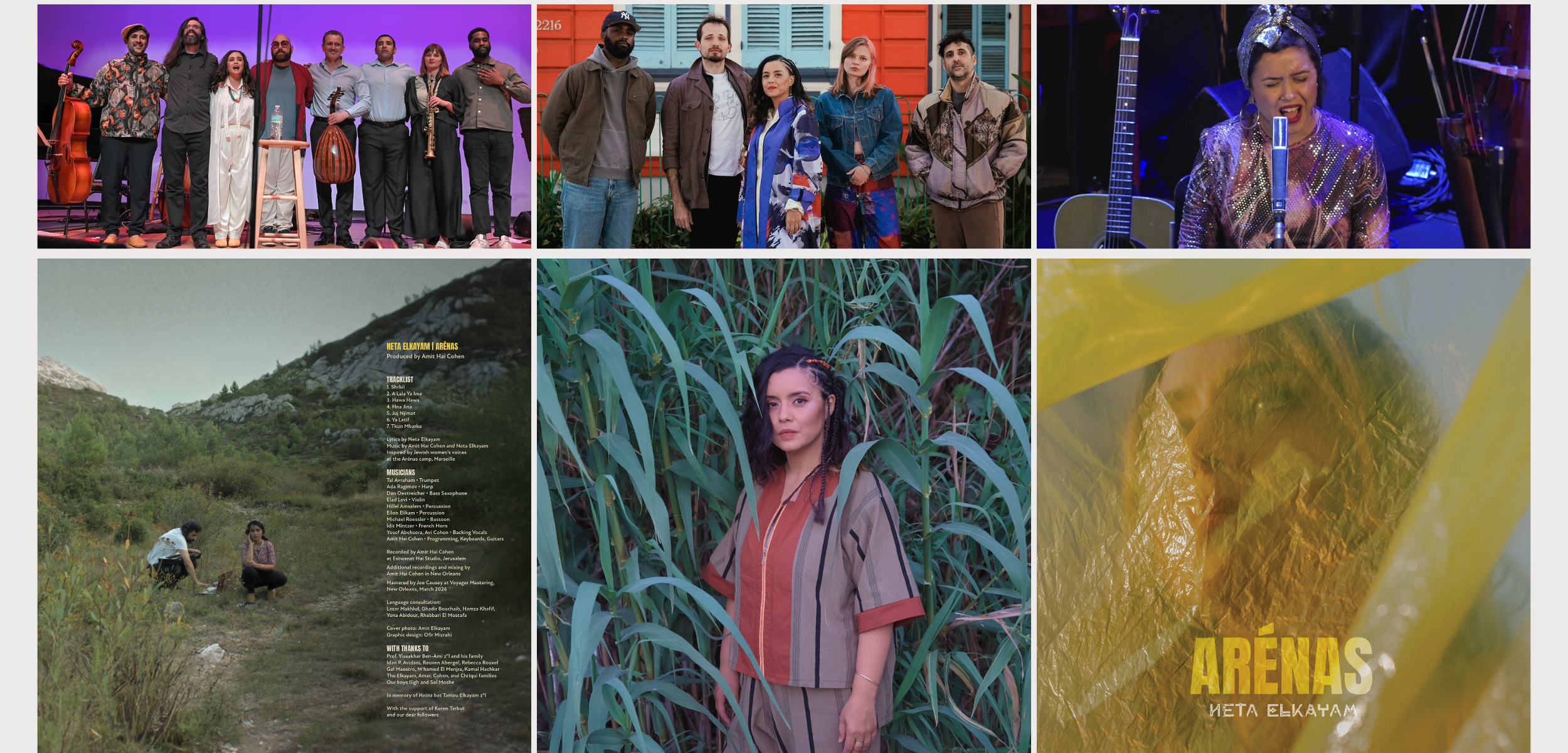
Neta Elkayam: Carry the Song Forward
“The recordings were extraordinary. You could hear women from the Atlas Mountains humming old songs, babies crying in the background, the sounds of migration happening in real time. It felt like discovering a message in a bottle.”
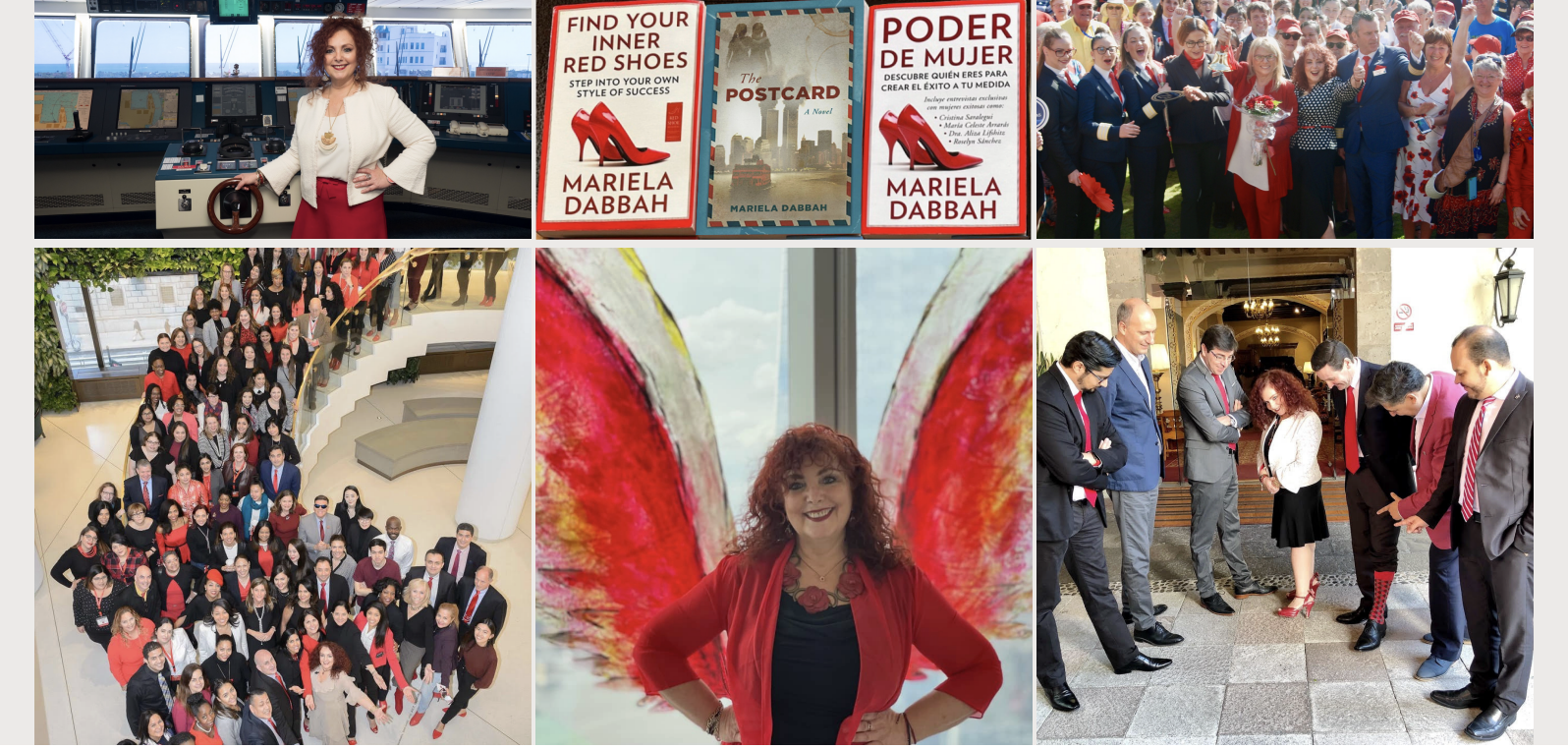
Mariela Dabbah: Find Your Inner Red Shoes
“Success has traditionally been defined by society, and often through expectations that were not created with women in mind. At some point I began asking myself: why should success mean the same thing to me that it means to someone else? I want people to define success for themselves.”
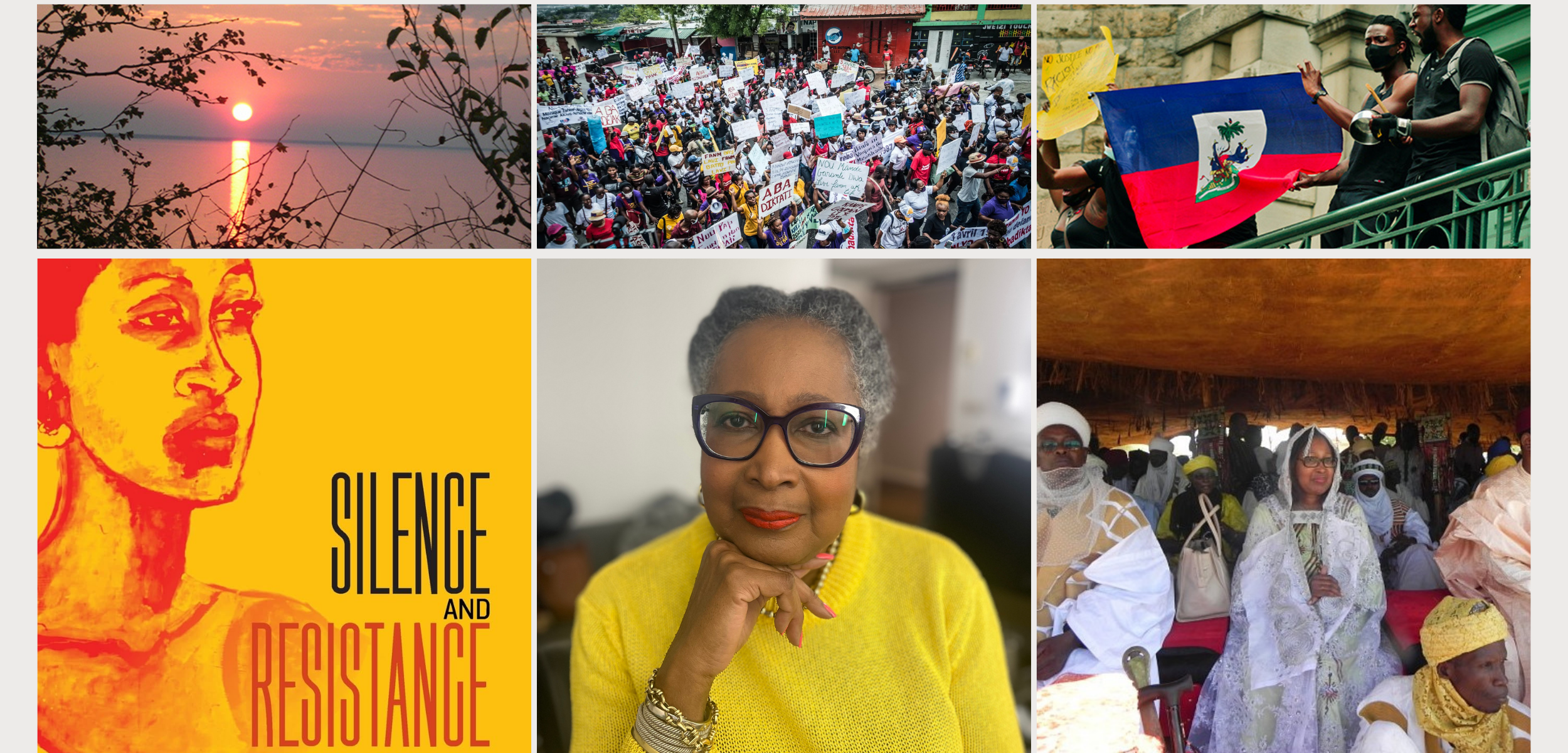
Monique Clesca: Inherited Voices
“Then they all sang to Papa Legba: ‘Papa Legba, Louvri baryè pou Atibon, Louvri baryè pou mwen, Papa pou mwen pase.’ They asked him, as the guardian of the gates of the mystical world, to open them to clear the paths so the spirits could pass through and join us mortals. For Papa Legba was a wise old man who had travelled from Africa to Haiti, Cuba and Brazil with his people. He helped them survive slavery, start new lives, and bless their journeys.”
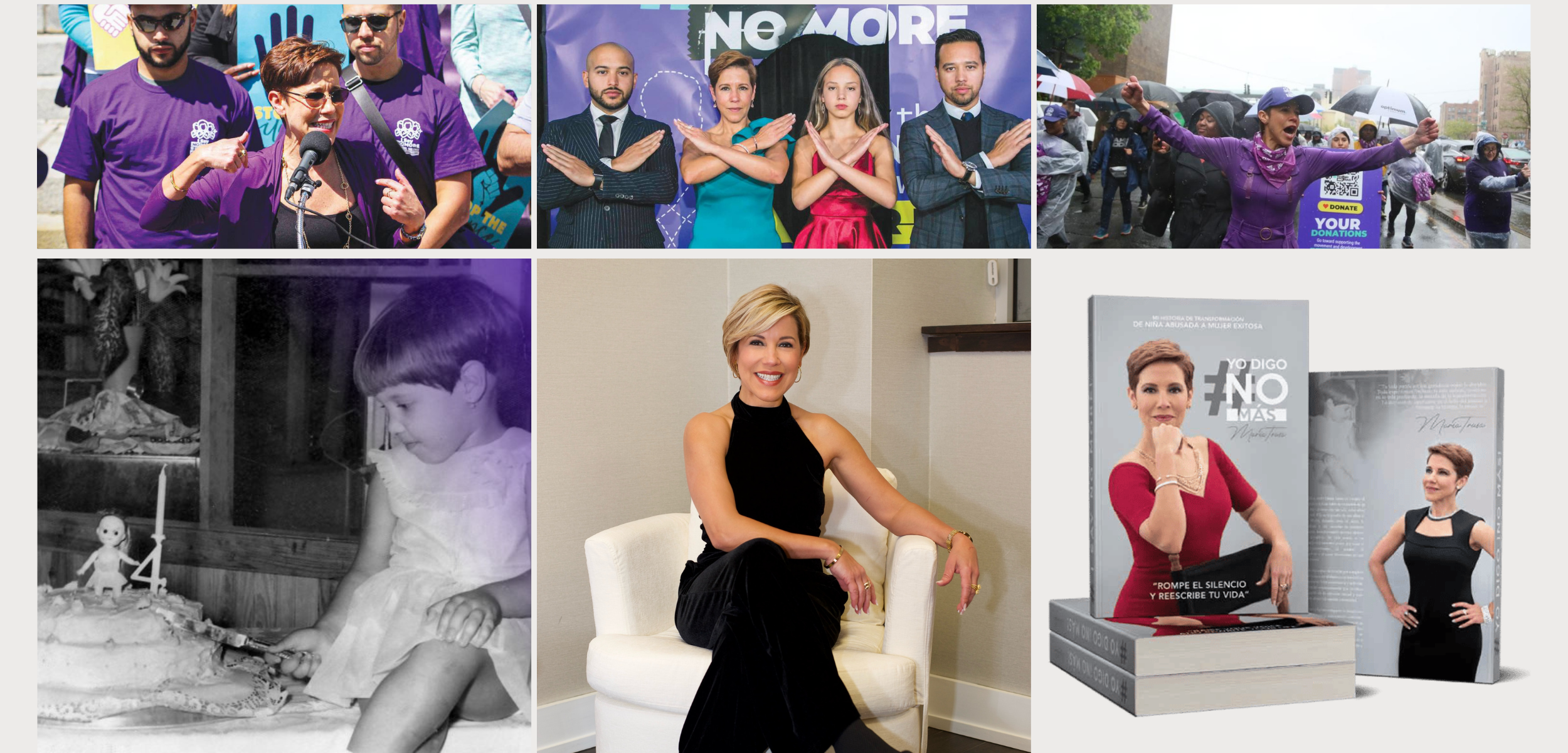
Maria Trusa: The Power of Breaking the Silence
“Many survivors don’t come forward because they fear disbelief or judgment. Creating space for people to speak safely changes everything. People don’t need to be fixed, but rather believed. I started doing a lot of public speaking events where I openly talked about what happened to me, and it transformed into launching a talk show — Yo Digo No Mas, it's a space for others to share their stories and start their own healing process.”
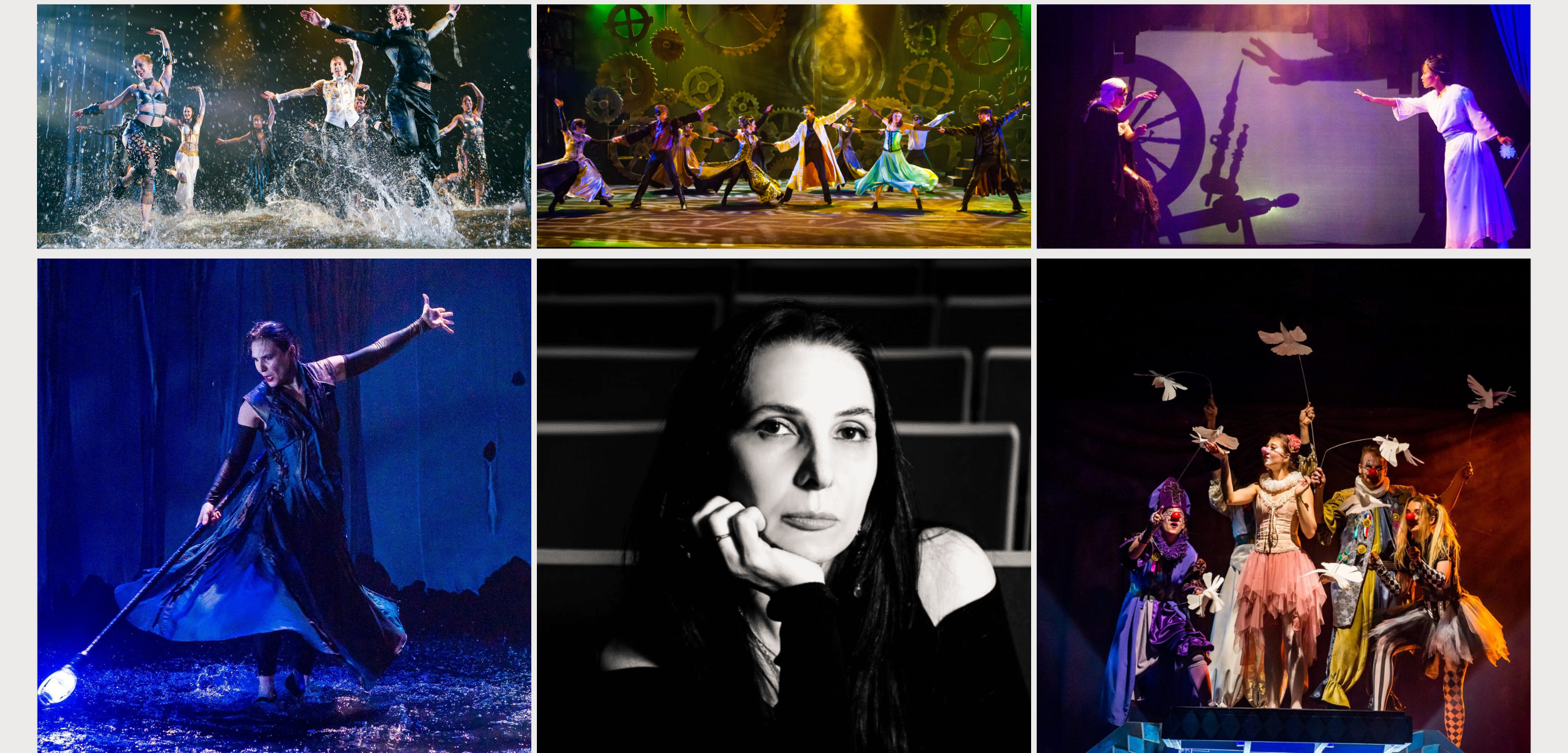
Irina Tsikurishvili: Carrying Theater Across Borders
People say Coco Chanel’s first model was Georgian, and during the Soviet years, Georgians truly loved to dress well. I remember evenings in the mid-1980s when people walked up and down Rustaveli Avenue just to show their outfits. We stood and watched, absorbing it all. No matter how hard life was, no matter how hungry, but we were always well dressed. Years later, returning to Georgia after time away, I brought all my best clothes, convinced everyone would be looking at me—but instead I saw refugees from Ossetia: exhausted, starving, displaced. I felt ashamed, changed into jeans, and from then on dressed simply, even for events, in solidarity.
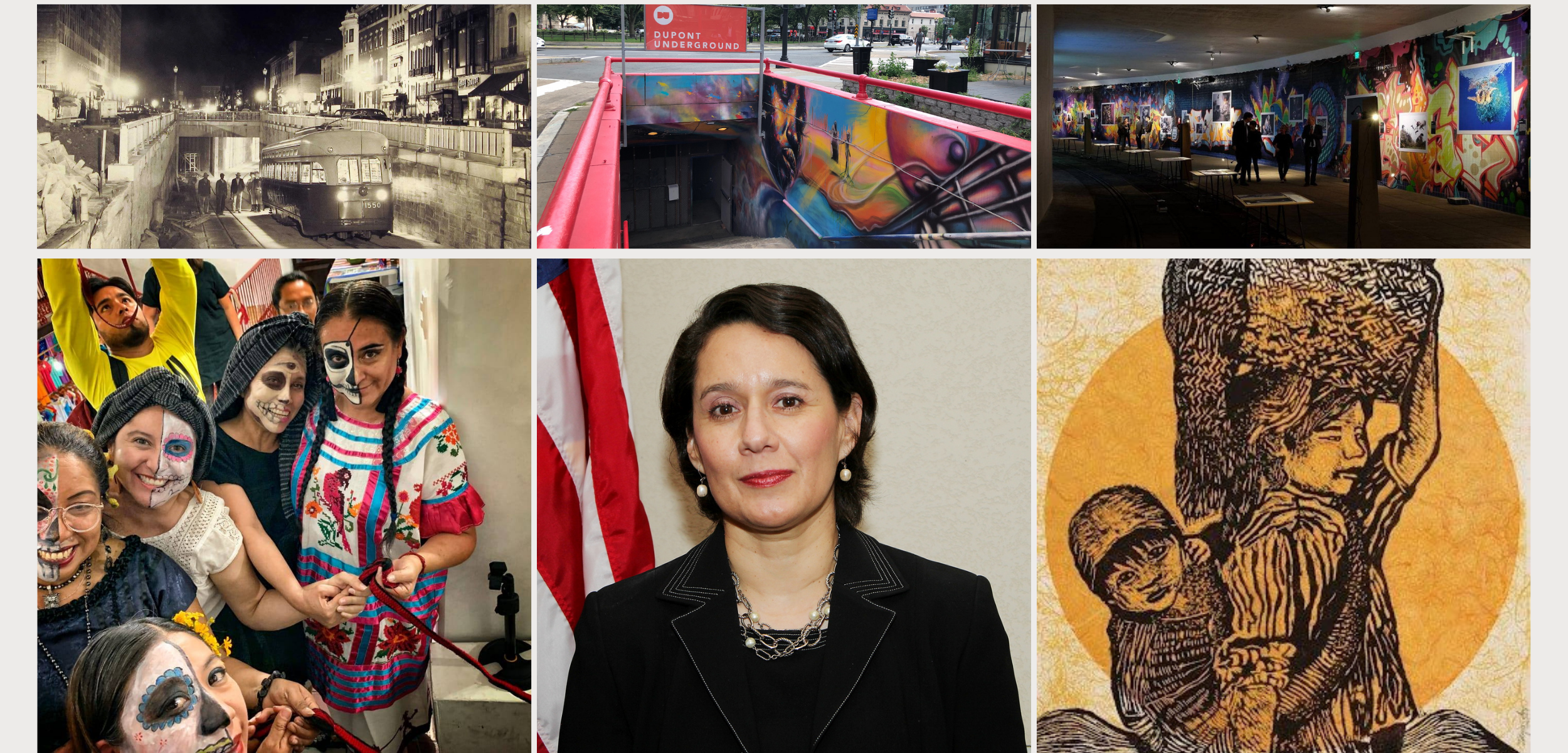
Ana Harvey: The Courage to Say Yes
“I traveled to Oaxaca, which is the heart of Día de los Muertos—most of the iconic images people associate with the holiday come from there. I was led to a cooperative of women artists. These were formally trained painters who had studied alongside the now-famous male painters of the state. They had the same education and the same talent, but not the same support. They weren’t paid equally, exhibited equally, or hailed as masters. Their response wasn’t to quit; it was to form a collective and say, We are here. We are equally talented.”
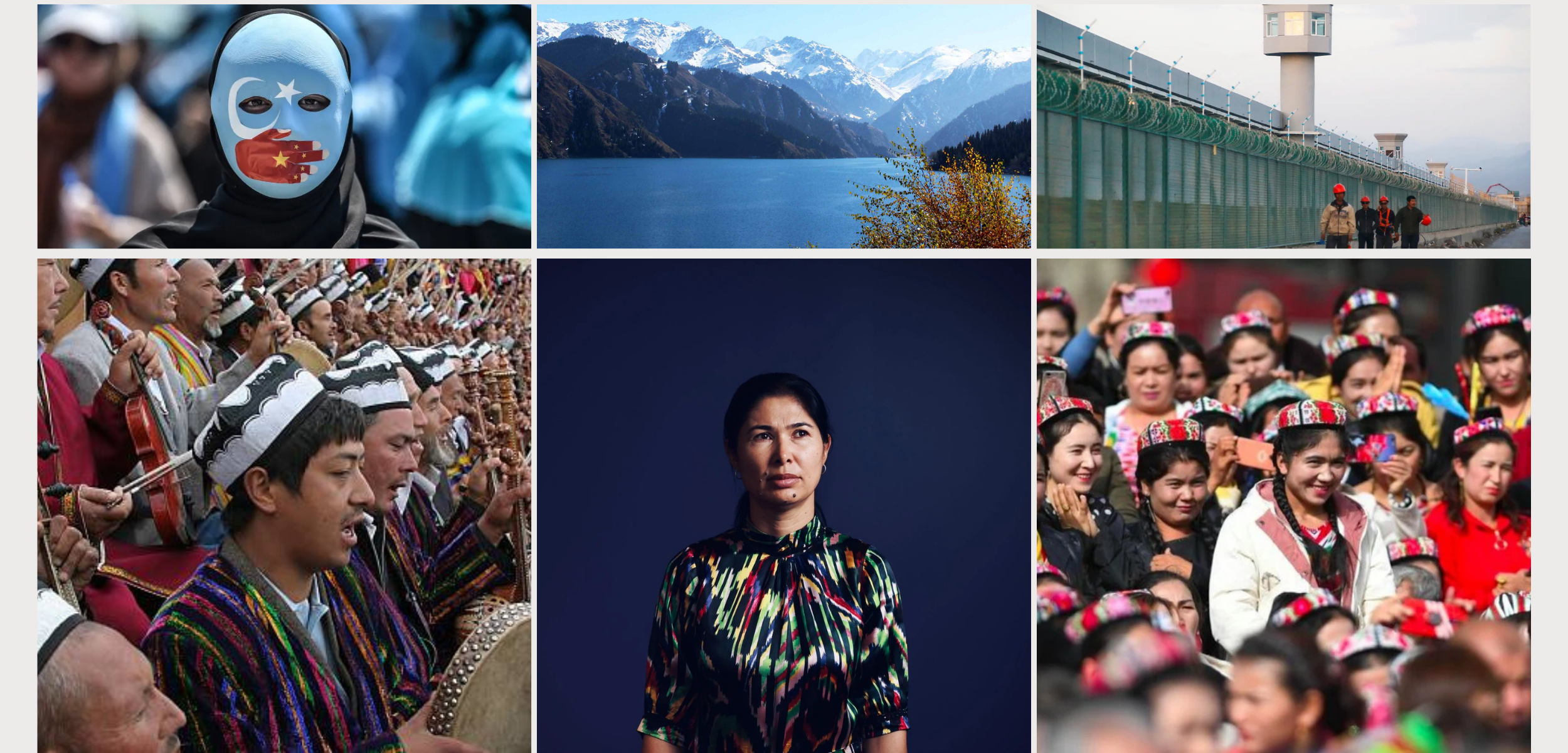
Tursunay Ziyawudun: A survivor of Chinese reeducation camps
“As a survivor, I will not stop—not even for one minute—being a voice for all the people who have not survived, and for the people in East Turkistan who are trapped in a hellscape, placing their hope in the outside world.”
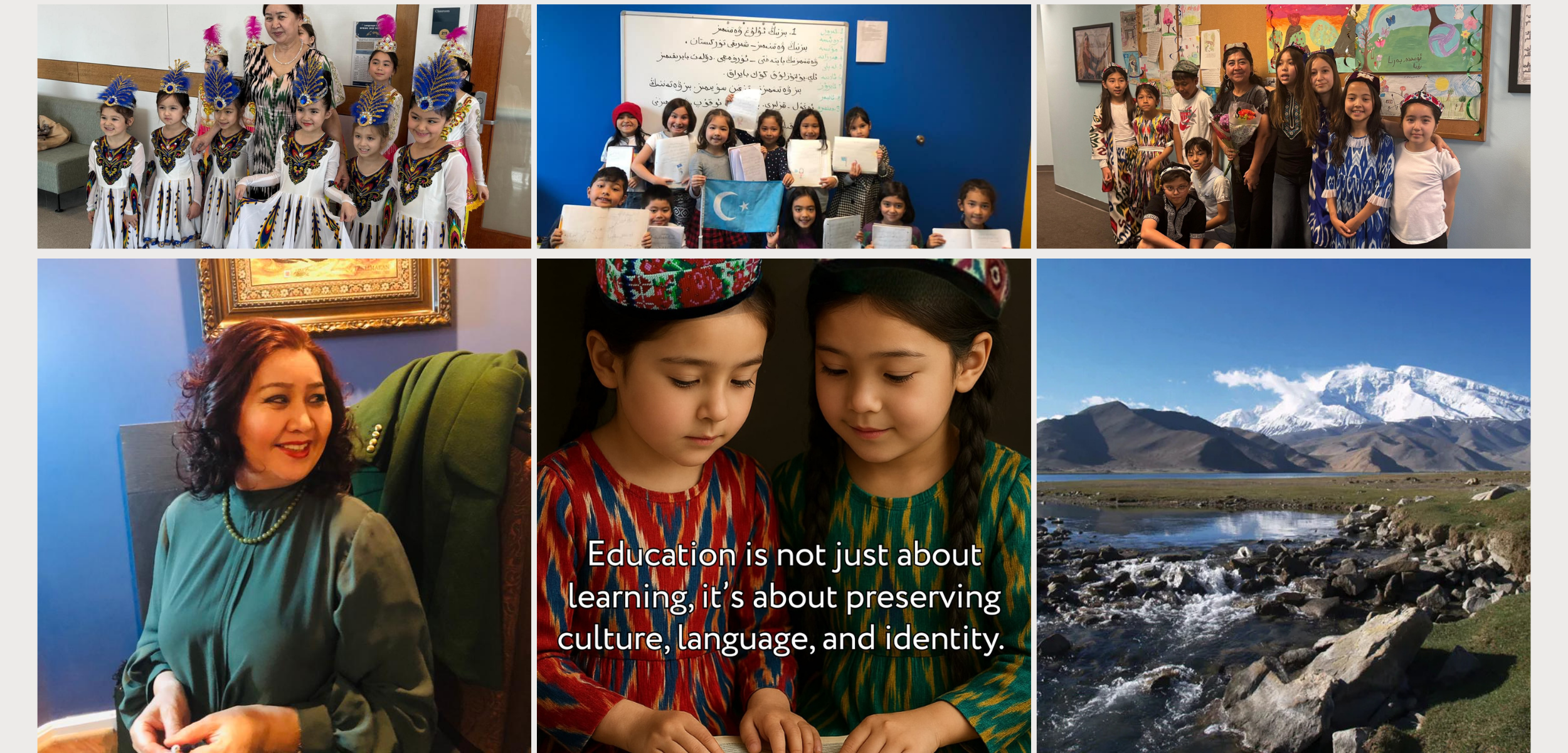
Sureyya Kashgary: Building a School Where the Uyghur Language Can Still Be Spoken
“For Sureyya, teaching Uyghur is not only a connection to her homeland but a way of preserving history at a time when identity itself is under attack. In East Turkistan, children are told, “This is not your language. Chinese is your language.” Uyghur is being displaced, suppressed, and erased — making the work of the diaspora all the more vital. Sureyya insists that learning Uyghur cannot be symbolic. Children must study it deeply, as students — and as future teachers.”
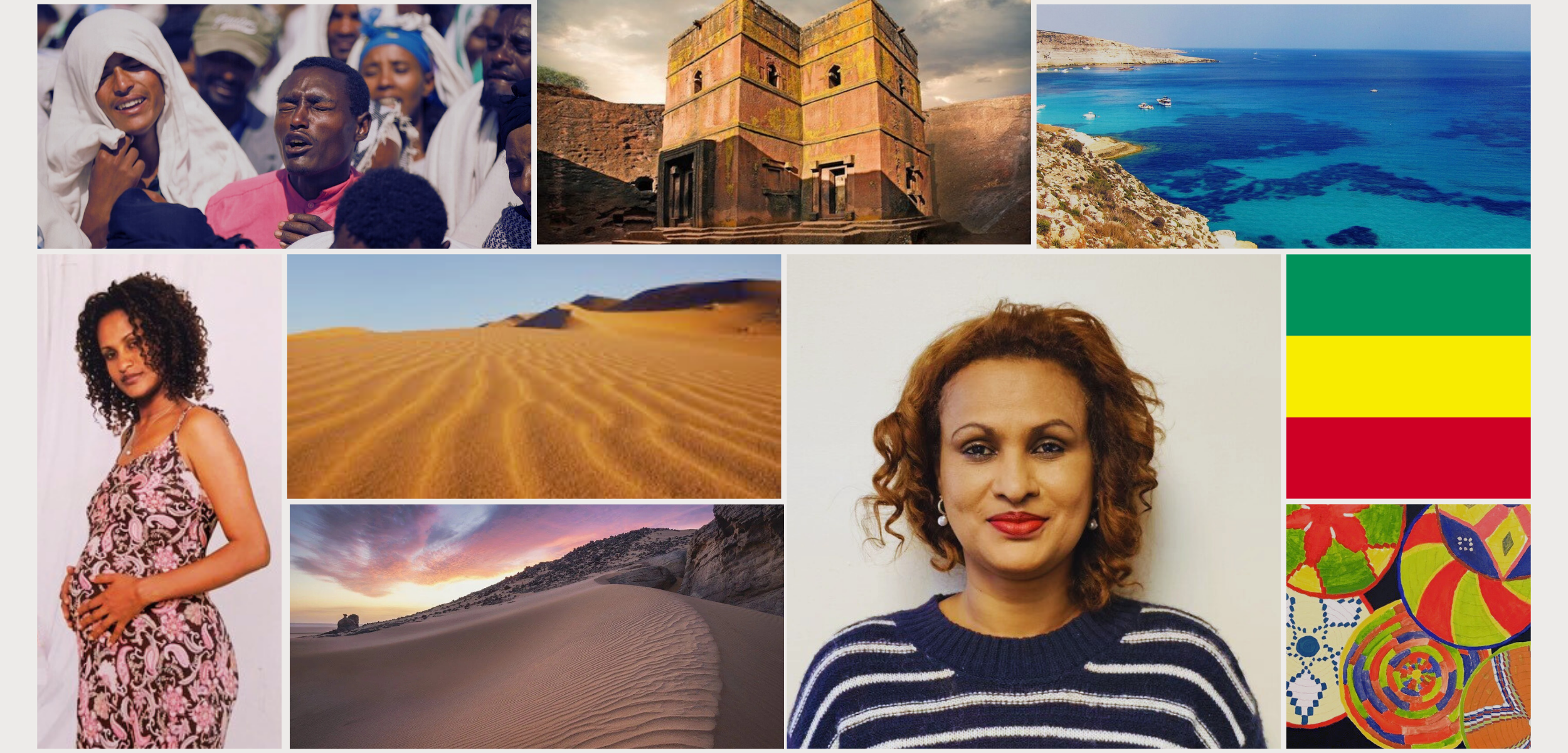
Gelila Mekonnen: Through Sahara’s Dunes and Mediterranean Waves
‘Emotionally, the hardest part for me was not allowing my vulnerability to show. The others were relying on me, and I had to be strong for them. But when it became too much, I would find a quiet place away from the group, and pray or scream in frustration.’
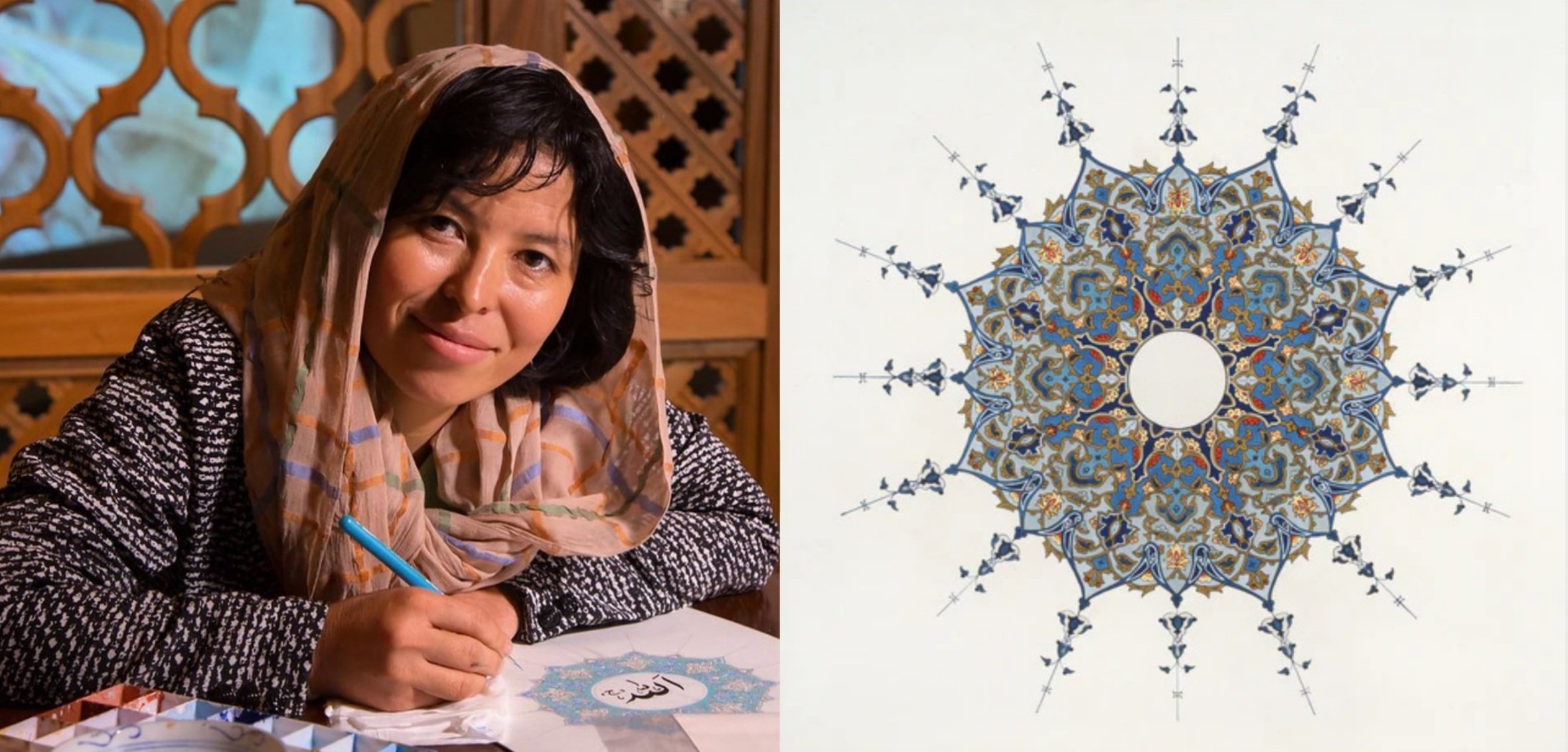
Sughra Hussainy: Colors of Freedom in the Face of Taliban Rule
‘As a girl, you're controlled by your father, and later by your husband or son. I remember making a simple doll as a child, made from a stick and fabric scraps. It had no arms, no legs, no eyes — a lifeless figure. To me, this represented how many women feel in my country — powerless, controlled by men.’
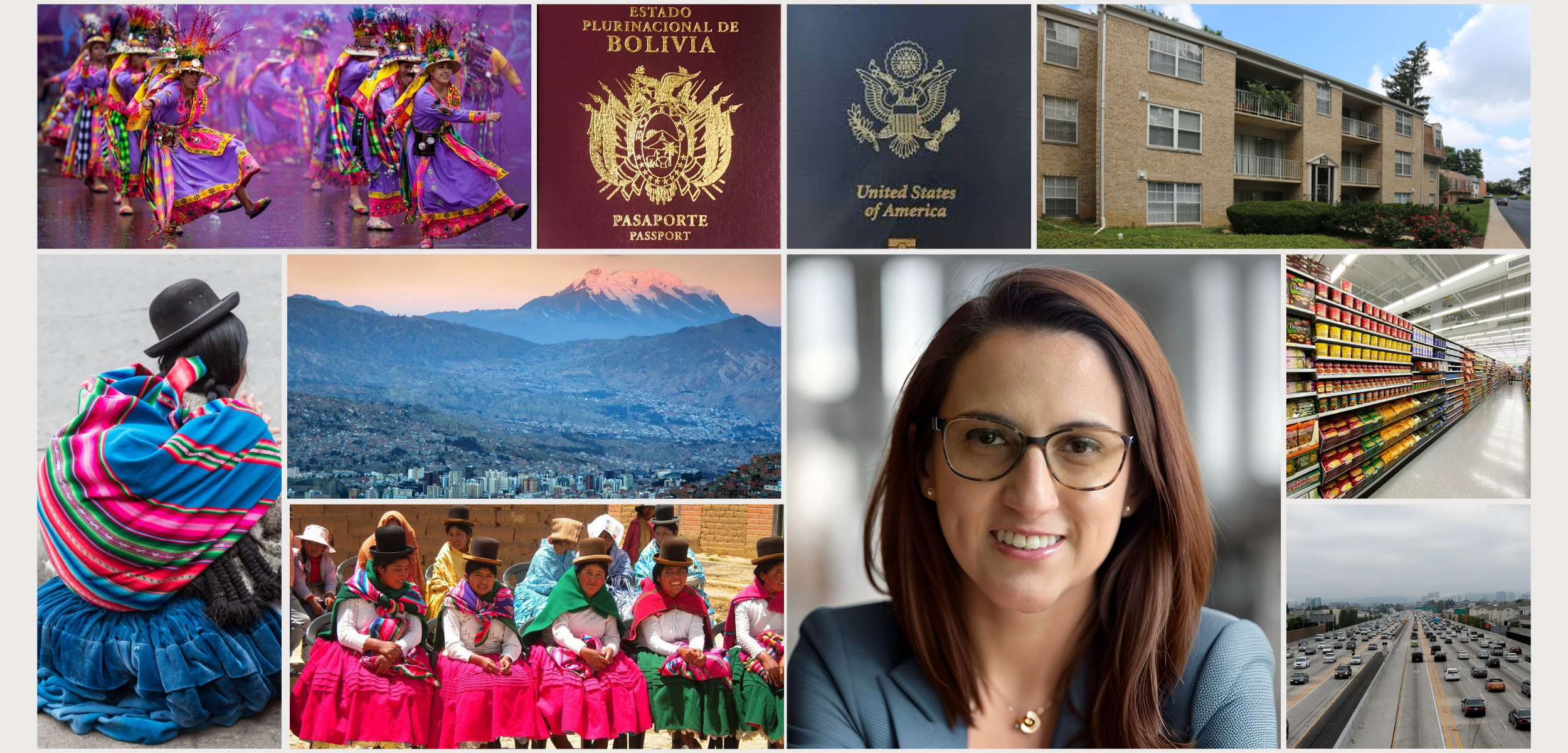
Stefanny Sarich: Cholita vs. Macho
‘When it was time to return to Bolivia, my father hid our passports, leaving us stranded. It was a shocking and disorienting experience. We hadn’t said goodbye to friends or family, and I had nothing with me except a diary covered in traditional aguayo fabric.’
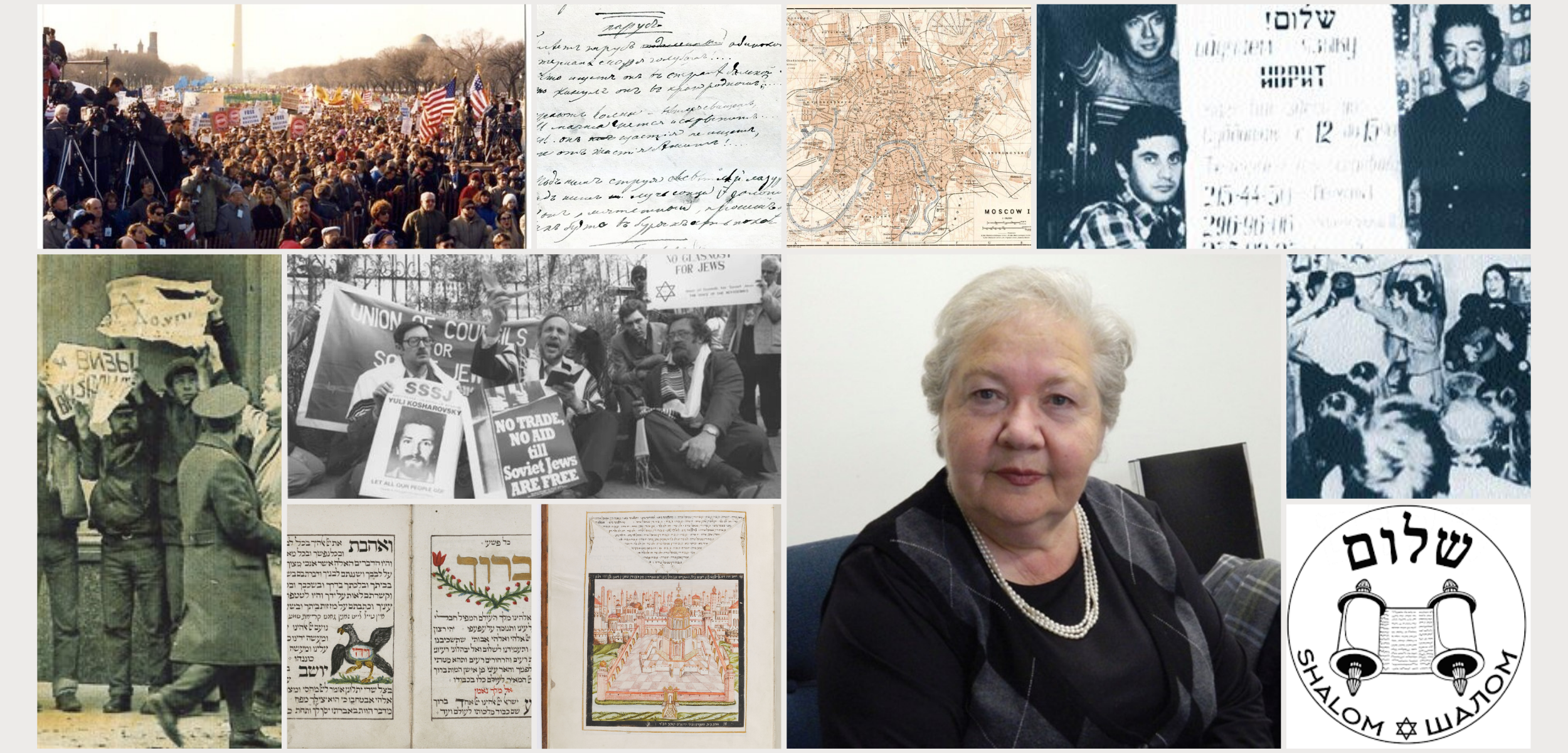
Ella Kogan: Refusenik in the USSR
It felt like every word he spoke carried immense weight, transporting us far from our daily struggles. It was a night filled with reverence - we were united in our defiance of the fear that surrounded us.

Vera Lyalko: Glory to Ukraine!
‘A missile strike had hit an apartment building, and the rescuers initially assumed it was empty. But a soldier heard someone crying from the rubble, and the drone was deployed to investigate. The heat signatures from the thermal camera led rescuers to a mother and her child, both trapped beneath the debris. The mother was unconscious and injured, while her child was awake, bewildered, and trying to understand what was happening. Thanks to the drone, both were rescued and received urgent medical care.’